

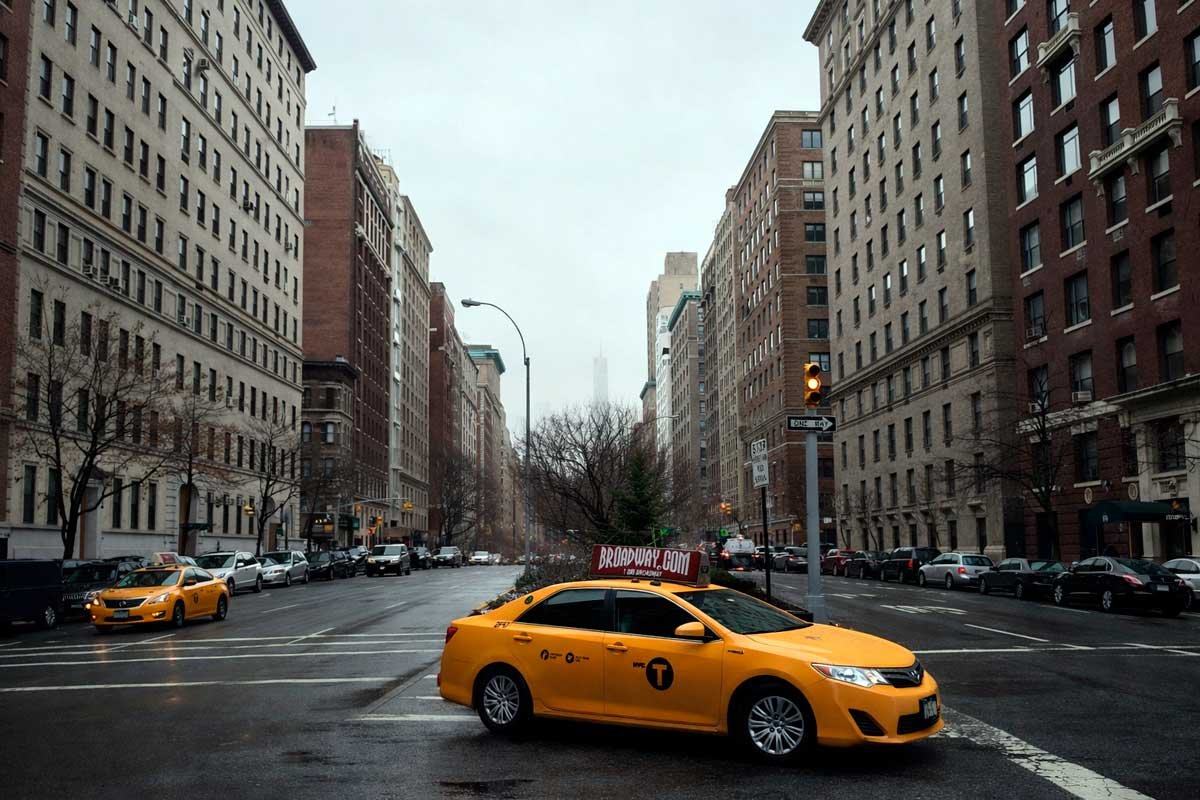
Is staying in New York City worth the massive price tag? Yes, but only if you stop treating it like a normal city. If you approach NYC like you’re booking a trip to Orlando or even London, you’re going to get fleeced. Between the 2026 short-term rental crackdown, the “Resort Fee” scams, and the brutal reality of the MTA subway, where you sleep determines if you have a great trip or if you spend five days stuck in a $400-a-night shoebox.
If you don’t read this entire guide, you’ll likely end up in a “hidden gem” in New Jersey that takes 90 minutes to reach, or an illegal Airbnb that gets canceled by the city two hours before you land at JFK. I’ve lived the “logistics of friction” in this city long enough to know where the bodies are buried. Let’s get you a room that doesn’t suck.
The Death of the NYC Airbnb: Don’t Get Scammed in 2026
First things first: forget what you knew about Airbnbs in New York. Since the implementation of Local Law 18, the short-term rental market here is a graveyard. If you see a “cool loft in Chelsea” on Airbnb for $200 a night, it is almost certainly illegal.
The city requires hosts to live in the unit while you are there, and they can’t have more than two guests. If the listing says “entire apartment,” the host is breaking the law. What does that mean for you? It means the City of New York can shut that listing down at any moment. I’ve seen families standing on the sidewalk in Brooklyn with four suitcases because their “host” suddenly went dark.
Unless you are booking a licensed “Aparthotel” (like Mint House or Sonder, which operate under hotel licenses), stick to hotels. Your peace of mind is worth more than a kitchen you probably won’t even use because you’ll be out eating $1 slices and pastrami anyway.
Editor’s Survival Tip: The August Rule
If you are visiting in July or August and you enter a subway car that is suspiciously empty while the rest of the train is packed, do not go in. There is a reason it’s empty. Either the AC is dead—turning that car into a 110°F [43°C] sweatbox—ou something far more “aromatic” is happening inside. Follow the crowds; they know which cars are breathable.
The Logistics of Friction: Why Miles Don’t Matter
In most cities, you look at a map and think, “Oh, that’s only two miles [3.2 km] from the center. That’s close.” In NYC, two miles can be a 15-minute subway ride or a 90-minute crawl in a $60 Uber.
New York isn’t about distance; it’s about friction. The “Grid” (Manhattan’s layout of streets and avenues) is designed to move people, but the sheer volume of humanity on 5th Avenue or around Times Square creates a gridlock that defies logic.
I’ve watched tourists pay $45 for a Lyft from Midtown to the West Village, sitting in traffic for 50 minutes while I took the 1 train and got there in 12 minutes for $2.90. When choosing a hotel, your only metric should be: “How many blocks am I from a major subway line (A, C, E, 1, 2, 3, or the 4, 5, 6)?” If the answer is more than five blocks, you’re going to hate your life by day three.
Where to Stay: The “Worth It” Neighborhood Power Rankings
I’m going to be brutally honest. Most people stay in the wrong place because they want to be “near the action.” The “action” is usually where the locals never go.
1. Long Island City (LIC) – The Secret Weapon
If you want to stay smart, look at LIC in Queens. It’s right across the East River. You get hotels that are ten years newer, rooms that are actually large enough to open your suitcase in, and many have views of the Manhattan skyline that would cost $1,000 in Midtown.
- The Logistics: The 7 train or the E train will get you to Grand Central or Port Authority in about 10 to 15 minutes.
- The Reality: It’s a bit industrial, but it’s safe and the value is unbeatable.
2. Financial District (FiDi) – The Weekend Hack
FiDi is a ghost town on weekends, and that’s why I love it for travelers.
- The Logistics: You have access to almost every major subway line at the Fulton Center.
- The Reality: Hotel prices drop significantly on Friday and Saturday nights when the bankers go home. It’s quiet, clean, and you’re a short walk from the Pier 11 ferry, which is the best $4 “cruise” you can take to Brooklyn.
3. Midtown – The Necessary Evil
Stay here only if you are a first-timer who absolutely needs to see the neon lights every night.
- The Logistics: You can walk to Broadway, but you’ll be fighting through an “Oversized Load” of tourists on every corner.
- The Reality: Expect tiny rooms, loud jackhammers at 7 AM, and the constant smell of roasted nuts and bus exhaust. It is the definition of high friction.
4. Jersey City – The False Economy
I get asked this every day: “Can I stay in Jersey and just commute?”
- My Verdict: Unless you are staying right next to a PATH train station (Exchange Place or Newport), don’t do it. You will pay for the PATH train ($2.75) plus the NYC subway ($2.90). You will lose 90 minutes of your day. Your time in NYC is your most expensive currency. Don’t waste it to save $40 a night.
The Money Talk: Read the Receipts
The price you see on Expedia is a lie. New York hotel billing is a dark art designed to extract every last cent from your wallet.
| Item | Est. Cost | The Verdict |
| Nightly Rate | $250 – $600 | The base price. Just the beginning. |
| Sales Tax | 8.875% | Non-negotiable. Added at checkout. |
| Occupancy Tax | $2.00 – $8.00 | A “per night” tax that the city loves. |
| Resort/Destination Fee | $30 – $60 | A scam. Pay for “free” Wi-Fi and a gym you won’t use. |
| Standard Tip | 20% – 22% | For housekeeping, doormen, and breakfast servers. |
The “Resort Fee” Rant: Hotels in NYC have started calling themselves “Resorts” so they can tack on a $45/night “Destination Fee.” They’ll tell you it includes a $15 credit at the bar where a beer costs $18. It’s a hidden price hike. Always check the fine print for “Total Price including taxes and fees” before you click book.
The “Micro-Hotel” Reality Check
In 2026, the trend is “Micro-hotels” like CitizenM, Arlo, or Pod Hotels. They are stylish, the lobbies are cool, and the rooftops are great for a $22 cocktail. But be warned: the rooms are often less than 150 square feet [14 square meters].
If you are traveling with a partner and two large suitcases, you will be climbing over each other to get to the bathroom. If you value your marriage or your sanity, check the square footage. If it’s under 170 sq ft [16 sq m], you’re basically sleeping in a very expensive walk-in closet.
The Noise Factor: Why You Can’t Sleep
New York is the city that never sleeps because the construction never stops. If your hotel has those old-school window AC units (PTACs), they will rattle like a chainsaw all night.
- Insider Hack: Ask for a room “facing the back” or a “high floor away from the elevator.” Rooms facing the street might have a view of a brick wall anyway, so you might as well get the quiet one facing the interior courtyard.
The Bottom Line: Who is this for?
Stay in Long Island City if you want the best “Worth It” ratio. Stay in Midtown if you want to be in the center of the chaos and don’t mind overpaying. Stay in Brooklyn if you want to feel like a local, but only if you’re near the L or North Brooklyn lines.
Should you skip the research and just book the cheapest thing you find? Absolutely not. A bad hotel location in NYC doesn’t just ruin your sleep—it ruins your entire ability to see the city.
The one-sentence takeaway: In New York, your proximity to a subway entrance is more important than the thread count of your sheets.
Editor’s Note: Look, I’ve stayed in places in this city where the “closet” was just a hook on the wall and the “view” was an exhaust vent for a Halal cart. Don’t be that person. Spend the extra $30 a night to be on a major subway line in a legal hotel. You’ll thank me when you aren’t crying in a Jersey City train station at midnight.