

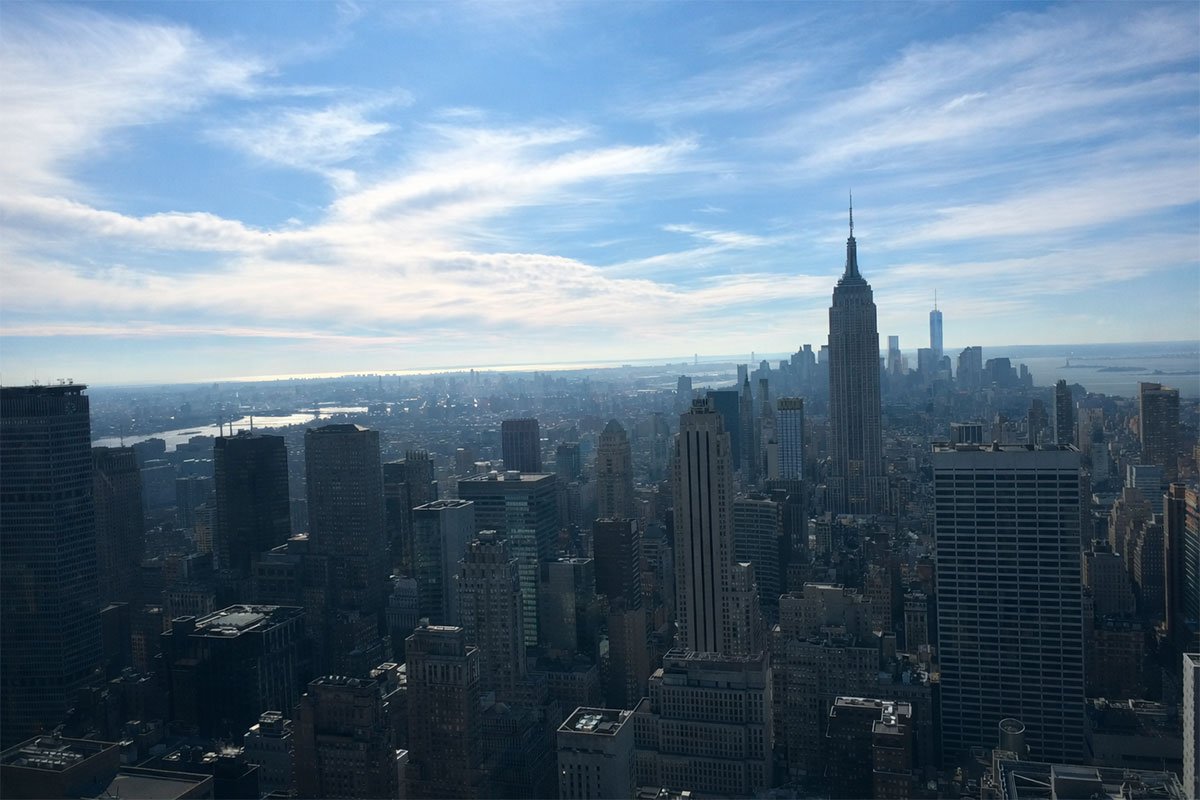
New York City in 2026 is a beautiful, chaotic, loud-mouthed mess. I love it here, but I’ll be the first to tell you: the city does not care about your budget. It will charge you $22 for a mediocre cocktail and $110 for a car ride that takes longer than walking. If you land at the airport thinking you can “wing it,” you’ve already lost the game.
Is NYC worth it? Yes. But only if you stop acting like a target. I spend my time warning my own family not to eat in Times Square, and now I’m telling you. You’re going to spend money—that’s why you’re here—but you shouldn’t be spending it on “tourist taxes” and rookie mistakes. This is the breakdown of how to own the city without the city owning you.
The Survival Tip: The “Fake Monk” and the “CD Guy”
If someone approaches you on the street with a “free” CD, a “free” friendship bracelet, or a “blessing,” keep walking. Do not make eye contact. Do not say “no thank you.” Just keep moving. As soon as you touch that item, they will demand $20, and they will get aggressive. It’s a classic NYC shakedown. Your silence isn’t rude; it’s your armor.
The Logistics of the Grid
In NYC, time is literally money. If you spend three hours a day stuck in the back of a taxi, you’re burning hundreds of dollars in “vacation time.”
The Subway vs. The Uber Trap
I see tourists standing on 5th Avenue, staring at their phones, waiting 15 minutes for an Uber to take them 10 blocks. That Uber will cost $35 after surge pricing and tips, and it will sit in a traffic jam behind a delivery truck for 20 minutes.
- The Rule: If you are traveling anywhere in Manhattan during daylight hours, take the subway. It’s $2.90. It doesn’t care about traffic.
- OMNY Fare Capping (The 2026 Hack): Stop buying physical MetroCards. You’re just going to lose them or end up with $1.15 left on the card that you can’t use. Just tap your phone or contactless card at the turnstile. If you use the same card 12 times between Monday and Sunday, every ride after that is free. * The “L Train” Reality: Check the MTA app before you leave. If the L train is “running with delays” on a Saturday, just walk or take a ferry. Don’t be the person crying on the platform while three packed trains go by.
The Airport Hustle: JFK, LGA, and EWR
Getting from the airport to your hotel is where most people get robbed legally.
- JFK: Take the AirTrain to Jamaica Station, then the LIRR (Long Island Rail Road) to Penn Station or Grand Central. It’s $15-20 total and takes 35 minutes. A taxi will cost $80+ plus a $15 tip plus tolls, and in the afternoon rush, it can take two hours.
- LaGuardia (LGA): There is no train. Take the M60 Select Bus if you’re going to the Upper West Side, or just bite the bullet on a $45 Uber.
- Newark (EWR): Take the NJ Transit train to NY Penn Station. It’s fast and cheap. Do not let a “private driver” at the arrivals terminal talk to you. They are unlicensed, and they will overcharge you.
The Tipping Minefield (2026 Edition)
Tipping in the US has become a psychological war. Everywhere you go, a screen is flipped around with 25% already selected. Here is the brutally honest truth about who actually gets your money.
The iPad Pressure
When you buy a $6 latte and the screen asks for a 25% tip, hit “No Tip.” You are standing up. They are handing you a cup. You don’t owe them $1.50 for a 10-second interaction.
- Sit-down Restaurants: 20% is the standard. If you tip 18%, you’re saying the service was “okay.” If you tip 15%, you’re sending a message that it was bad.
- Bars: $1 per beer or wine. $2 or 20% for a cocktail that required a shaker and three different bitters.
- The “Surcharge” Alert: Check your receipt for a “3.5% Credit Card Fee.” This is becoming common. If they charge this, I usually deduct that 3.5% from the tip I was going to leave. It’s a sneaky way for owners to pass their business costs to you.
Sleeping Smart: Avoiding the “Destination Fee”
You see a hotel for $220 on Expedia. You book it. When you check out, your bill is $450. What happened?
The Destination Fee. Hotels in Manhattan now add $35 to $60 per night for “amenities” you’ll never use—like a $15 credit at the hotel bar (where a drink costs $22) or “free” local calls.
- The Fix: Always filter your search by “Total Price including taxes and fees.”
- The Geography Hack: Stay in Long Island City (LIC) in Queens. It’s literally one subway stop (5 minutes) from Midtown Manhattan. The hotels are newer, the rooms are bigger, and there are no “resort fees.” You’ll save $150 a night just by crossing a bridge.
The Food Strategy: High/Low Eating
You didn’t come to NYC to eat at Olive Garden in Times Square. (If you do, please close this tab, I can’t help you). The smart way to eat in NY is the “High/Low” strategy.
- The Low: For lunch, find a Halal Cart (Chicken over rice for $10) or a 99-cent slice shop (which now costs $1.50, thanks inflation). These are NYC staples. They are fast, filling, and actually good.
- The High: Save your money for one great dinner in the West Village or Williamsburg.
- The “Lunch Special”: High-end restaurants often have a lunch prix-fixe. You can eat a $100 dinner for $45 if you show up at 1:00 PM on a Tuesday.
The Receipts: 2026 Price Reality
| Item | Est. Cost (USD) | The “Worth It” Verdict |
| Pizza Slice (Standard) | $1.50 – $4.00 | If it’s over $5, it better have gold flakes on it. |
| Coffee (Drip) | $3.50 – $5.50 | Get it at a bodega for $2.00 if you just need caffeine. |
| Dinner for Two (Mid-range) | $120 – $180 | This includes one drink each, tax, and a 20% tip. |
| Subway Ride | $2.90 | The best deal in the history of the world. |
| Cocktail (Manhattan/Brooklyn) | $18.00 – $24.00 | This is why locals drink at home before going out. |
| Hotel (Manhattan Mid-range) | $350 – $500 | After taxes and “fees.” Expect a room the size of a closet. |
Note: Sales tax in NYC is 8.875%. It is never included in the price on the tag.
Sightseeing Without the Suck
Tourist attractions are the biggest drain on your wallet. Most are “one and done” spots that offer very little real value.
- The Empire State Building vs. Summit One Vanderbilt: The Empire State is classic, but you can’t see the Empire State Building from the Empire State Building. If you’re going to pay $45 for a view, go to Summit One Vanderbilt or Top of the Rock. You get the Chrysler Building and the Empire State in your photos.
- The Statue of Liberty: Do not pay for the “official” ferry unless you absolutely have to touch the pedestal. The Staten Island Ferry is free, runs every 15-30 minutes, and goes right past the statue. You can bring a coffee (or a beer) on board and enjoy the breeze. Total cost: $0.
- The Museums: The Met and the MoMA are world-class. They are worth the $30. But don’t try to see both in one day. You will get “museum fatigue,” your feet will hurt, and you’ll end up wasting the money. Pick one and give it 5 hours.
Live Like a Human
If you want to feel like you belong here, you need to understand the “Bodega Culture.”
The Bodega is your lifeline. It’s the corner store with a cat sleeping on the chips.
- Need a sandwich at 3 AM? Bodega.
- Need an umbrella because a sudden storm hit 5th Ave? Bodega ($10, don’t pay more).
- Need a “Bacon, Egg, and Cheese” (BEC) to cure a hangover? Bodega.If you go to a fancy “Bistro” for a breakfast sandwich and pay $18, you’ve failed the NYC test. A BEC should be $6, wrapped in foil, and handed to you by a guy who calls you “boss.”
The “Borough” Pride
Stop saying you’re “going to New York.” You are already there. If you’re in Manhattan, you’re “in the city.” If you’re in Brooklyn, you’re “in Brooklyn.” If you’re north of 242nd street, you’re “Upstate” (and probably lost). Understanding the geography—The Bronx, Queens, Manhattan, Brooklyn, and Staten Island—is the first step to not looking like a tourist who just fell off the bus.
The Final Receipt: Is NYC Actually Worth the Squeeze?
This page isn’t for the person who wants to sit in a tour bus with headphones on. This is for the traveler who wants to actually feel the pulse of the city without being bled dry by it.
Should you skip this guide? Only if you have a trust fund and don’t mind being treated like a walking ATM. New York is the most expensive city in the world, but it’s only “unaffordable” for people who don’t know the rules.
The one-sentence takeaway: Tap for the subway, stay in Queens, eat at the bodegas, and never, ever stop for anyone on the street who says “Hey, let me ask you a question.”